
Stop picking beaches by name. Start picking them by reading what the ocean is telling you.
Summer on Maui offers dozens of beautiful beaches, but on any given day, conditions vary dramatically from shore to shore. This guide teaches you how to read those conditions so every beach day this summer is the right one.
Quick Summary: How to Choose the Right Maui Beach This Summer
Choosing a Maui beach by name alone is a little like ordering dinner without looking at the menu. Here is what experienced Maui beach-goers know:
• Summer means south swells, which affect south-facing beaches differently than west- or north-facing ones
• The shape of a bay, the slope of the sand, and what lies beneath the surface all matter as much as location
• Morning conditions are almost always calmer than afternoon conditions, regardless of beach
• The right beach for snorkeling is not always the right beach for surfing, and vice versa
• Floating over reef rather than walking on it protects both the coral and you
• Auntie Snorkel’s Beach Guides with live webcams let you see any beach before you leave your hotel
• Our Fun Specialists in Kihei and Lahaina give personalized, up-to-the-hour beach recommendations every day
Read on to learn how to think about beach selection the way locals do, so every beach day this summer is the right one.
Why “Which Beach is Best?” Is the Wrong Question


Visitors to Maui often arrive with a mental shortlist of beaches they have read about or seen in photos. That is a perfectly reasonable starting point. But experienced local beach-goers approach the question a little differently. Rather than asking which beach is best, they think about which beach is best today, for what we want to do, and at what time.
That shift in thinking makes an enormous difference. A beach that offers glassy, turtle-filled snorkeling on a calm Tuesday morning may be choppy and uninviting by Thursday afternoon when a south swell has built up. A beach that looks rough and uninviting on a fresh swell day might be exactly what a boogie boarder or beginning surfer is hoping for.
Maui rewards the flexible and the curious. And the good news is that once you understand a few basic patterns about how summer conditions work on this island, and how the geography of each beach shapes the experience, choosing the right beach becomes intuitive rather than stressful.
🌊 Understand the Summer Swell First
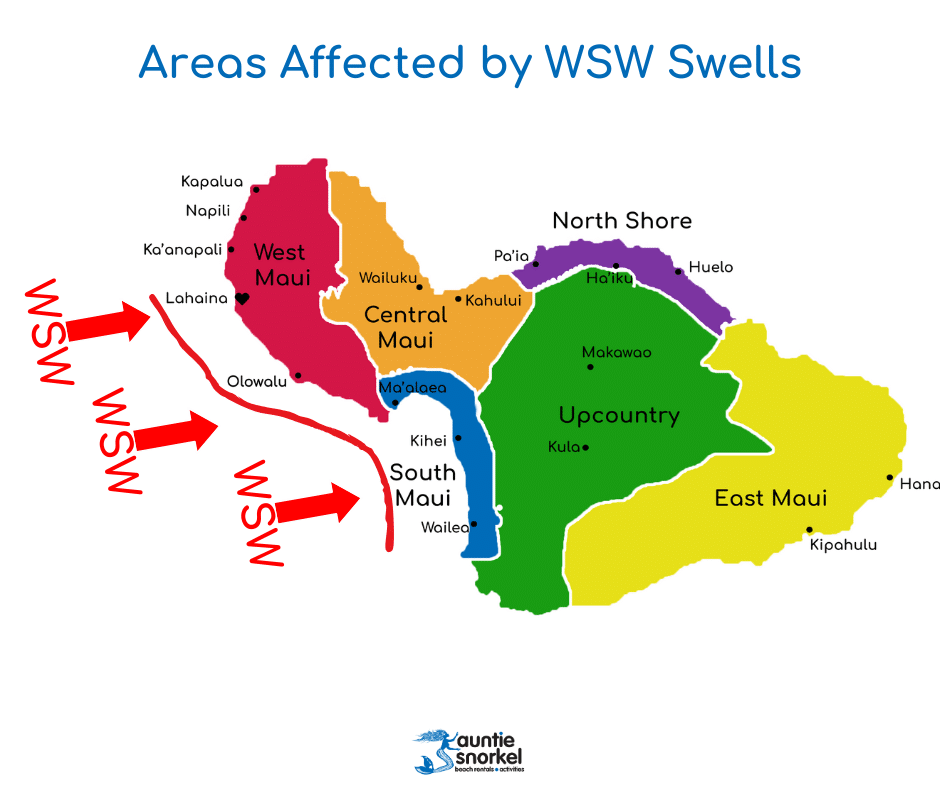
The single most useful piece of knowledge for summer beach planning in Maui is understanding south swells.
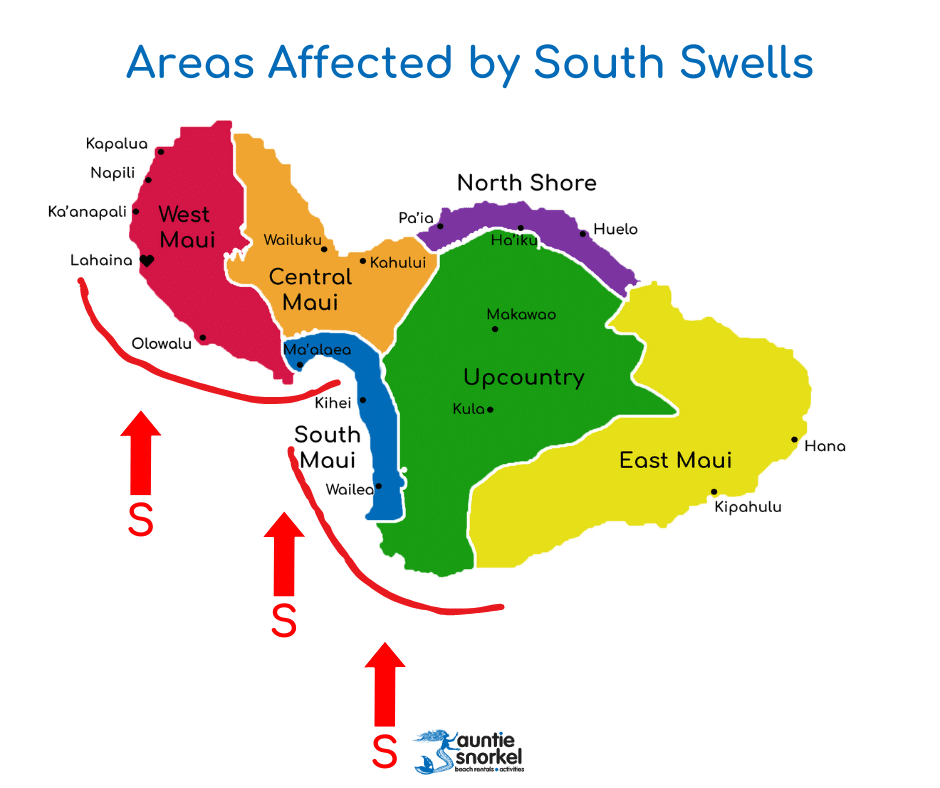
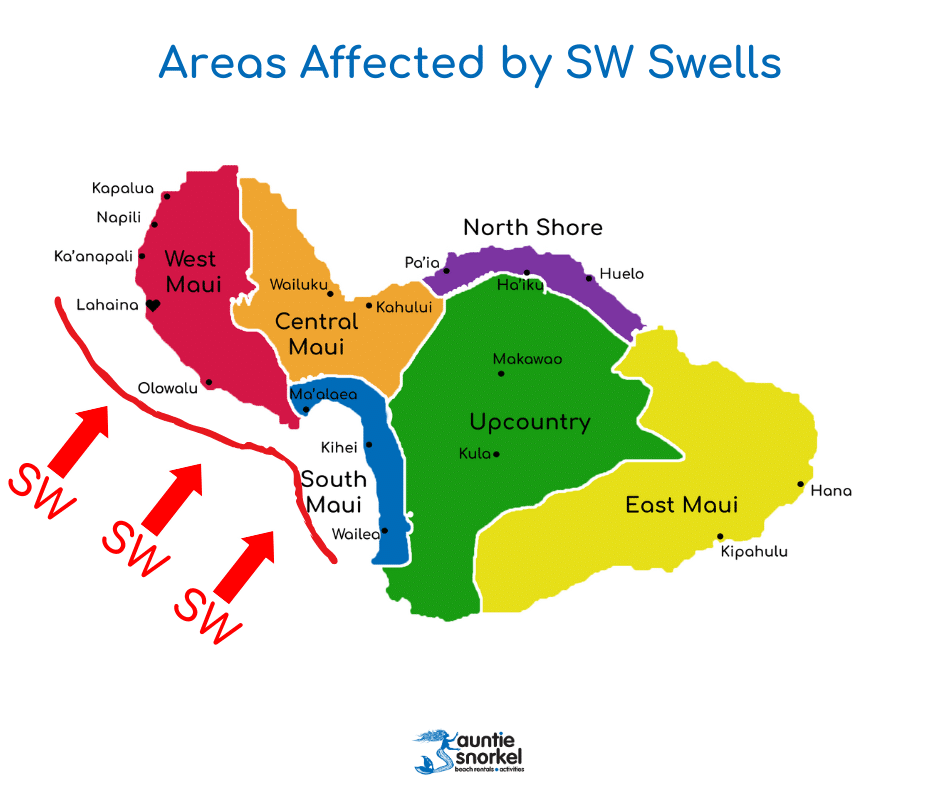
From roughly May through September, Maui’s primary wave energy comes from the South Pacific. Long-period swells generated by distant storms travel thousands of miles before wrapping around the island and arriving on its south-facing shores. This means beaches along South Maui from Kihei down through Makena, and along the lower west coast around Lahaina, receive the most direct wave action during summer months.
On moderate south swell days, this is wonderful news for anyone who wants to surf or boogie board, because south swells tend to produce rolling, organized waves that are friendly for beginners. On bigger swell days, however, these same south-facing beaches can become turbulent enough to make snorkeling out of the question, with reduced visibility and increased surge around reef areas.
West-facing beaches, particularly those in Ka’anapali, Napili, and Kapalua, are somewhat sheltered from direct south swell energy. North-facing beaches like Ho’okipa, which sees ferocious surf in winter, often experience their calmest conditions of the entire year during summer.
👁 Understanding which direction a beach faces, and what the current swell is doing, is the foundation of smart beach selection in Maui. Our Beach Guides cover each beach’s orientation and swell exposure, along with live webcams so you can see current conditions before you ever leave your room. Also check out our guide: “6 Snorkeling Spots Sheltered from Summer Swells” for where to go if you want to avoid summer swells.
🗺️ Geography Matters: What to Look for Beyond the Name


Swell direction is just one piece of the puzzle. The physical shape and character of a beach tells you a great deal about what to expect in the water.
Bay shape. A beach tucked inside a natural bay or crescent benefits from protection on multiple sides. Waves refract around the headlands and lose much of their energy before reaching shore, which is why spots like Napili Bay and Kapalua Bay tend to stay calm even when nearby open-coast beaches are unsettled. A wide, open beach facing directly into the prevailing swell has nowhere to hide. Both types have their place, but they suit different goals.
Water entry. A long, gradual sandy slope is one of the most forgiving things a beach can offer. You can wade in slowly, test the conditions, and exit easily if the water feels stronger than expected. A beach with a steep drop-off close to shore, or a rocky or reef entry, demands more attention and experience. These beaches often reward skilled snorkelers with remarkable marine life right at the entry point, but they require care, and they respond more noticeably to surge and swell.
What is underfoot. Sand, rock, reef, and lava all feel different and call for different approaches. Sandy-bottomed beaches near shore tend to be the most forgiving for beginners and families. Reef and lava entries can deliver extraordinary snorkeling almost immediately, but they require careful footing. If you are entering or exiting over rocky terrain, water shoes make a significant difference in both comfort and confidence. And wherever reef is involved, the rule is simple and important: do not touch it, do not stand on it, and do not walk across it. Coral is a living organism that takes decades to grow and can be killed by a single contact.
Hazards to read before you go in. Rip currents can form at any beach, but they are particularly common where channels cut through reef, or where water pushed onto shore finds a path back out to sea. Strong afternoon trade winds can make surface conditions rougher than the swell alone would suggest. Rocky points and exposed reef present hazards at low tide or in surge. Our Fun or Fail? guide to Maui Ocean Hazards covers all of this in useful depth.
🤿 If You Want to Snorkel: Choose Protected Water and Go Early


Snorkeling is about clarity, calm, and access to reef. All three are most reliably available in the morning, before winds build and before afternoon south swell energy has had a chance to stir things up. As a general rule, west-facing beaches offer the most consistent summer snorkeling conditions. Below are some of the most consistently rewarding spots.
- Kahekili Beach Park (Ka’anapali): One of the most reliably calm summer snorkeling spots on the island. Faces west, wide sandy entry, and home to an impressive population of sea turtles and reef fish. Early mornings here, before the trade winds arrive, can feel almost otherworldly in their calm.
- Napili Bay: A west-facing gem. Its natural crescent shape provides protection from multiple directions, and the reef along its edges hosts an abundance of marine life. Sandy and gradual entry makes it welcoming for all experience levels.
- Honolua Bay: A protected marine conservation area with some of the most spectacular reef on the island. Entry is over rocks, so water shoes are strongly recommended. The reward is extraordinary: vibrant, healthy reef and marine life that snorkelers who stick to sandy-entry beaches rarely encounter.
- Kapalua Bay: Crescent shape, gentle sandy entry, and thriving reef have made this one of the most beloved beginner snorkeling spots on Maui. The natural headlands on either side help keep wave energy low.
- Ulua Beach (Wailea): A rich marine habitat just offshore. On calm mornings the snorkeling is excellent and turtle sightings are frequent. Parking and facilities make for an easy beach day.
- Maluaka Beach (Turtle Town): Sandy entry with a reef just offshore hosting a remarkable concentration of green sea turtles. On calm summer mornings it is magical. Best visited before afternoon wind has time to build.
 Olowalu Mile Marker 14: Maui’s oldest known reef system. The shallow reef extends far offshore, giving snorkelers room to spread out and explore at their own pace. Flotation is especially important here, as a float belt keeps you at the surface so you can focus entirely on the reef below without risking contact with it.
- Molokini Crater: Nothing on shore competes with a morning snorkel tour here. Visibility regularly exceeds 100 feet. If clear blue water and abundant marine life are your priority, a Molokini tour is the gold standard.

👁 Before heading to any snorkeling beach, check the live webcam conditions, plus our Beach Guides and Weather and Waves pages.
🤿 Need gear? Pick up premium snorkel sets, float belts and life jackets, wetsuit tops and spring suits, and GoPros from either of our Auntie Snorkel shops.
✅ Pro tip: Flotation is one of the most underrated snorkeling tools on Maui. A float belt or life jacket keeps you effortlessly at the surface, which means less energy spent treading water, better visibility of everything below you, and crucially, no accidental contact with the reef. We strongly recommend flotation for anyone snorkeling above shallow reef, at any experience level.
🏄 If You Want to Surf or Boogie Board: Follow the South Swell


Summer in Maui is genuinely one of the best times of year to learn to surf or boogie board, because south swells deliver organized, rolling waves to beginner-friendly beaches along the south and lower west coasts. The key is calibrating expectations to the swell size and reading the water before paddling out.
- The Cove (Kihei): One of the most forgiving learning environments in Hawaii. A small, partially sheltered bay with a mostly sandy bottom, soft and predictable waves on moderate swell days, and a location just around the corner from our Kihei shop for effortless gear pickup and drop-off.
- Launiupoko Beach Park: A protected inner area calm enough for the youngest beginners, while the outer break gives those further along something more interesting to work with. The wide grassy park behind the beach makes it a natural choice for families.
 Ukumehame Beach Park (1000 Peaks): Stretches along the open coast south of Lahaina and offers multiple peaks to choose from on moderate swell days. More open exposure means the swell arrives with a bit more energy, exactly what more experienced beginners look for once they are ready to step up.
- Ka’anapali Beach and Keawakapu Beach are both popular boogie boarding spots when south swell is running, offering longer stretches of sandy shore break with room to spread out. Po’olenalena Beach in South Maui is another boogie boarding favorite, with a sandy bottom and waves that can be playful and consistent on moderate swell days.

👁 Check out our detailed guide to the 3 Best Beginner Surf Spots in Maui for more.
🏄♂️ Need gear? Auntie Snorkel rents boogie boards and 8′ and 10′ soft top surfboards at both our Kihei and Lahaina locations.
✅ Pro tip: Shore break, which is a wave that breaks steeply directly onto the sand rather than rolling in gradually, is one of the most common causes of beach injuries in Hawaii. If waves are crashing hard right at the water’s edge, give that beach extra caution, especially for younger children and non-swimmers. Always watch the ocean for at least ten minutes before entering.
🧘 If You Want to Paddle Board: Seek Glassy Mornings


Stand-up and sit-down paddle boarding both reward early risers. When the surface is glassy and the trade winds have not yet arrived, paddling along Maui’s coastline feels peaceful in a way that is hard to put into words until you have experienced it.
- Kamaole Beach Parks I and II: Easy launch points with sandy entries and relatively calm water on settled mornings in South Maui.
- Makena Landing: A favorite for more adventurous paddlers who want to explore south along the coast, with frequent turtle sightings and dramatic lava shoreline. The rocky edge can produce surge on swell days, so assess conditions carefully before launching.
- Olowalu Mile Marker 14 and Ukumehame Beach Park: On very calm days, these offer exceptionally peaceful paddle experiences along a stretch of coast that sees far less traffic than the main resort beaches.
- Kahekili Beach Park: An excellent west side SUP launch point with a sandy entry and a long, beautiful stretch of Ka’anapali shoreline to explore.
- Napili Bay: Compact and charming for shorter paddle sessions, especially when you want to drift slowly over the reef and watch what swims below.

👁 Check out our guides to the top SUP spots in South Maui and in West Maui for more information.
🚣 SUP rentals available daily in both of our shops! Ask our Fun Specialists for timing tips, and about free delivery on weekly SUP rentals!
✅ Pro tip: Trade winds typically build from the northeast through late morning. On days when the forecast shows strong trades, prioritize your paddle session first and save beach relaxation for the afternoon. The wind works with you on the way out and against you on the way home, so plan accordingly.
🐠 If You Are Bringing Kids: Prioritize Gentle Entry and Calm Water


For families, the right beach is almost always the one where kids can feel safe, have fun, and discover something. That means looking for sandy entry, predictable water, ideally some marine life within easy reach, and enough space to spread out.
- Kamaole Beach Park III: One of the most complete family beach experiences in South Maui. Lifeguards on duty, restrooms, a playground, a grassy lawn, and calm enough water on most mornings for children to snorkel and splash without worry. Kamaole II and Kamaole I round out a trio of family-friendly beaches that are hard to beat for an easy, well-supported day.
 Kapalua Bay: The gold standard for family snorkeling on the west side. The bay’s sheltered shape keeps conditions gentle even on days when nearby beaches are seeing some swell, and the reef along the edges holds enough marine life to keep curious kids thoroughly occupied. A float belt or life jacket keeps young snorkelers comfortably at the surface and prevents accidental reef contact.
- Napili Bay: The reef near the shoreline teems with colorful marine life, making it a fantastic spot for kids and adults alike to observe fish, turtles, and other sea creatures. Plentiful sand and a gentle sloping entry make it easy-access for kids on calm days.

One practical note: hauling gear across hot sand with children in tow is a workout nobody budgeted for. A beach wagon from Auntie Snorkel carries chairs, umbrellas, coolers, and snorkel bags in a single trip while the kids run ahead to the water.
👁 Check out our guides to the top South Maui Beaches for Families and the top West Maui Beaches for Families for more information.
🏖️ Set your family up with beach chairs, umbrellas, snorkel gear, float belts, and a wagon from Auntie Snorkel in Kihei or Lahaina.
☀️ If You Just Want to Relax: Pick Your View and Settle In
Not every beach day needs a plan. Sometimes the goal is a good chair, a good view, and enough shade to stay out there all afternoon.
- Kamaole Beach Parks (Kihei): Beautiful views across the channel toward Molokini and Kaho’olawe. Classic Maui without feeling overly exclusive or developed.
- Ka’anapali Beach: The full postcard experience, with the dramatic backdrop of the West Maui Mountains, a long golden shoreline, and easy access to dining and shopping at Whaler’s Village. Black Rock at the north end marks one of the island’s most iconic spots.
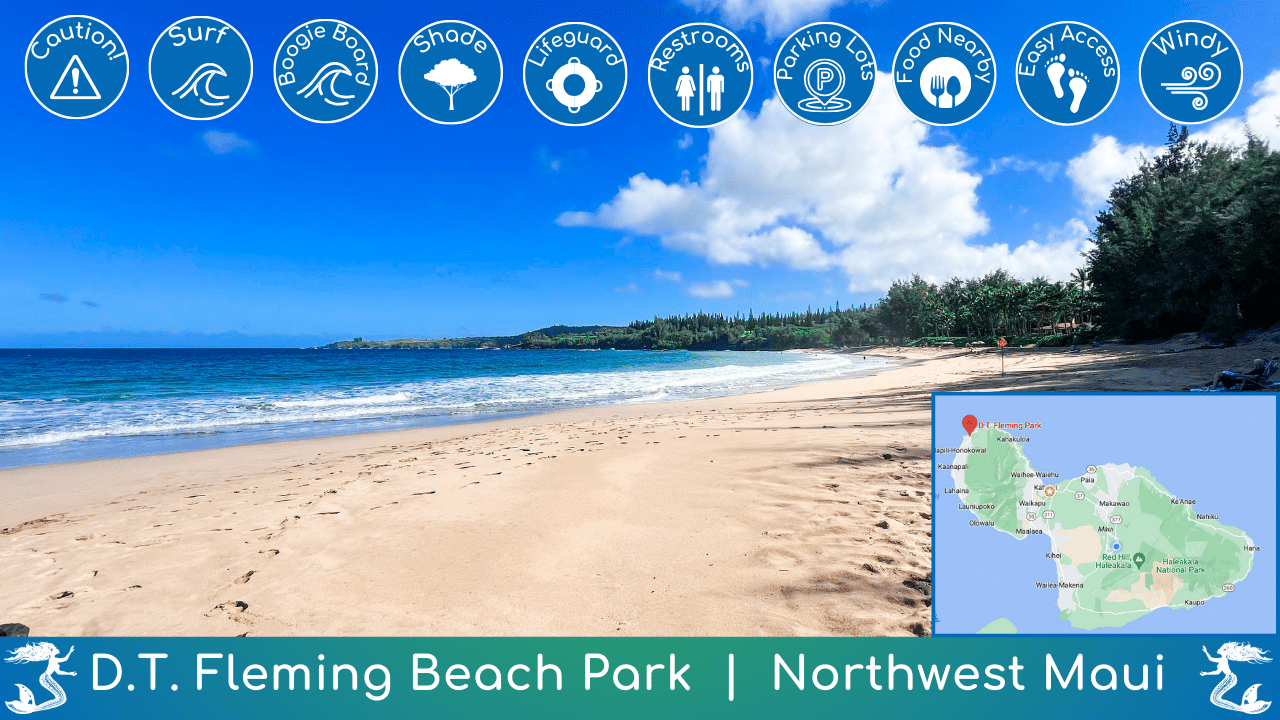
 D.T. Fleming Beach Park: A wide, beautiful expanse of sand with excellent facilities, lifeguards, and ironwood trees that provide natural shade and a sense of seclusion that the more resort-dense beaches cannot match.
- Makena State Park – Big Beach: One of the longest stretches of undeveloped sand on Maui. No resort facilities, just wide open beach and a sense of untouched island scale that is increasingly rare on a busy summer weekend. The powerful shore break is best admired from dry land.
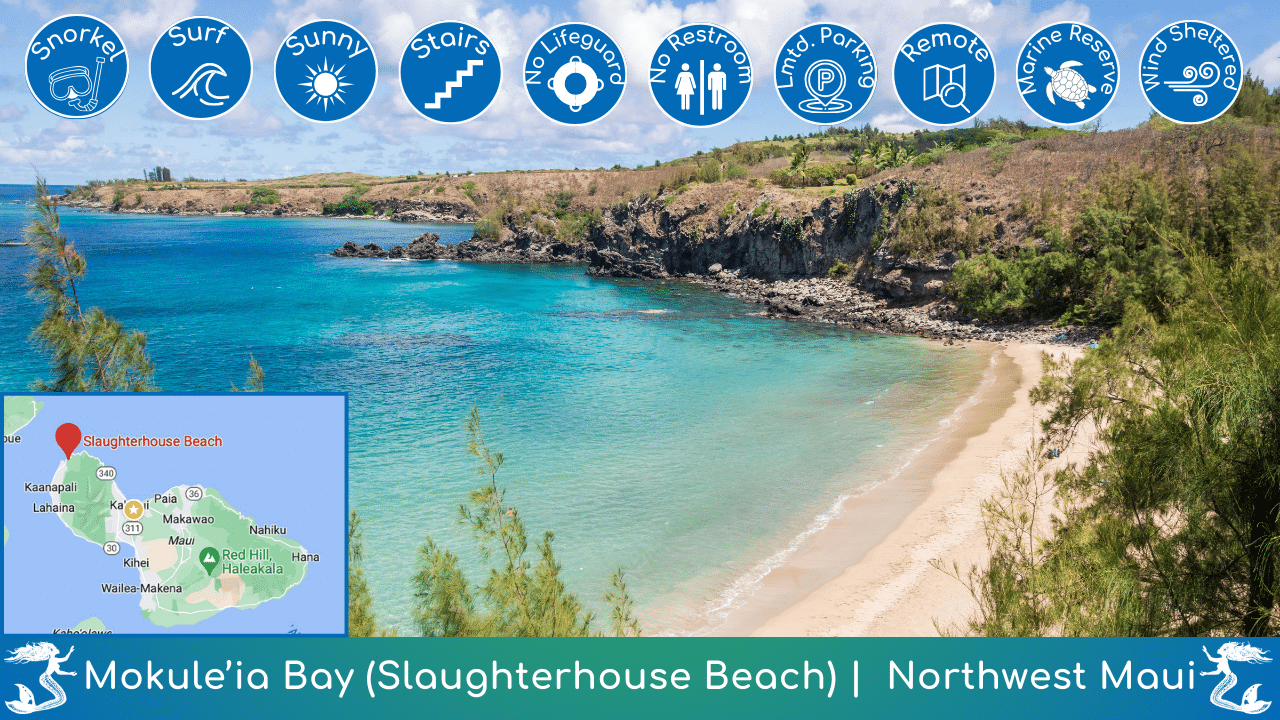
- Mokule’ia Bay (Slaughterhouse Beach): A compact, cliff-backed bay on Maui’s northwest coast that rewards the extra effort of a steep staircase access. Summer brings calmer conditions and water that turns an almost unreal shade of blue.

Wherever you settle, shade makes the difference between a few hours and a full day. Maui’s summer sun is powerful and the UV index runs high even when clouds drift through.
🌴 Reserve Tommy Bahama beach chairs, umbrellas, and a cooler from Auntie Snorkel in advance for the best pricing.
👁️ Your Best Tool: The Beach Guides and Webcams
Reading the beach before you go is not guesswork. Auntie Snorkel’s Maui Beach Guides cover every major beach on the island with detailed information on water entry, swell exposure, snorkeling quality, parking, amenities, and what to watch for in each season. Most include live webcams so you can see what the water looks like right now.
Our dedicated Maui Webcams page brings the live feeds together in one place, so you can scan multiple beaches in a single sitting and make your morning call quickly. Pair that with our Weather and Waves pages for current surf forecasts and tide information by region.
And if you want a human opinion from someone who hits these beaches on the regular, stop by or text or call us at 808-298-3021. Our Fun Specialists live and work here, and giving good beach advice is genuinely one of our favorite parts of the job.
 The Bottom Line
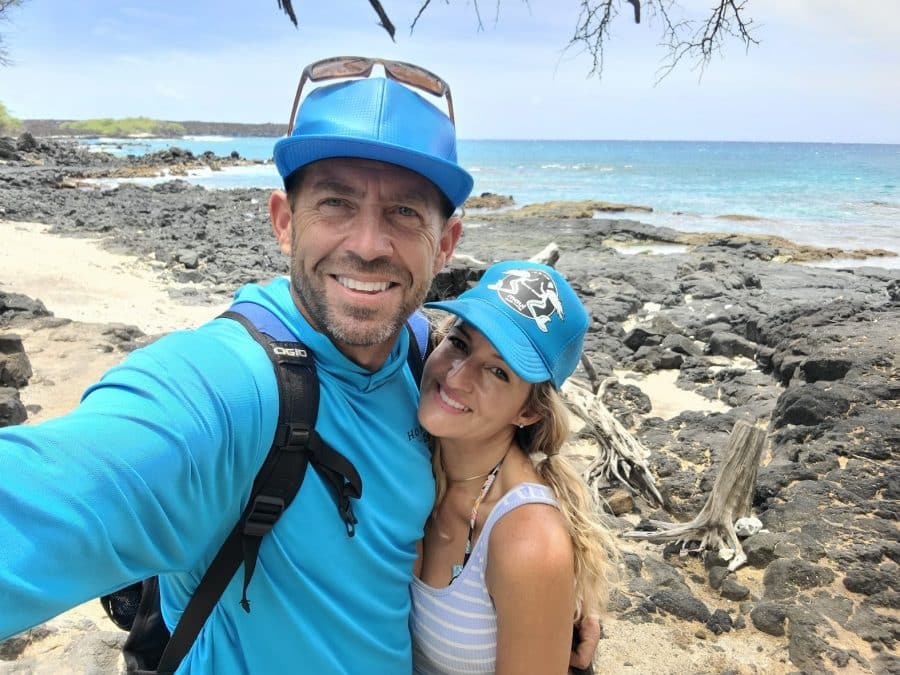 The Bottom Line
The best Maui beach is not a fixed answer. It is a moving target that changes with the season, the swell, the tide, the shape of the shoreline, and the time of day. Learning to read those signals, even at a basic level, is what separates a good beach trip from an exceptional one.
This summer, let the ocean help you decide. Check the webcams each morning. Trust the conditions over hype. Show up early. And know that wherever you end up, Auntie Snorkel has the gear, the guides, and the local knowledge to make sure you are fully prepared for whatever the day brings.
Let’s have an epic summer in Maui together. 🤙
Frequently Asked Questions About Choosing a Maui Beach
How do I know if a beach is calm enough to snorkel?
Check our Beach Guide webcams before you go. Look for flat, clear water with minimal white foam or choppiness near the reef. When in doubt, stop by either Auntie Snorkel shop for a current local read on conditions, or text or call us at 808-298-3021, 7am-7pm daily.
What time of day is best for snorkeling in summer?
Mornings, almost without exception. Trade winds typically build through the late morning and afternoon, increasing chop on the surface. Aim to be in the water by 8am or 9am for the best visibility and calmest conditions.
Are south swells dangerous for swimmers?
It depends on the size. Moderate summer south swells create fun, beginner-friendly surf at spots designed for it, but they can also produce shore break and surge at beach entry points. Always observe the ocean for at least ten minutes before entering, and read the posted beach signs. Our Fun or Fail? How to Avoid Maui Ocean Hazards guide covers this in detail.
Do I need a wetsuit for summer snorkeling?
Ocean temperatures in summer hover between 78 and 81 degrees Fahrenheit, which feels comfortable at first but can become chilly after extended time in the water. A thermal top or spring suit is a good idea for snorkel sessions longer than 30 minutes.
Why is flotation so important for snorkeling over reef?
Reef is a living ecosystem that can be damaged by even brief contact, and many reef surfaces also host organisms like sea urchins that can cause skin irritation or injury. A float belt or life jacket keeps you comfortably at the surface without effort, so you never need to reach for the bottom or brace against the reef. It is better for the ocean and better for you.
Can I snorkel at north shore beaches in summer?
On calm summer mornings, north shore spots like Ho’okipa can offer rare and remarkable snorkeling in conditions that would be impossible in winter. Always verify the forecast carefully by chatting with our Fun Specialists and using our Weather and Waves pages before attempting north shore snorkeling, and go with an experienced local companion if possible.
Subscribe to Auntie Snorkel’s Free Newsletter