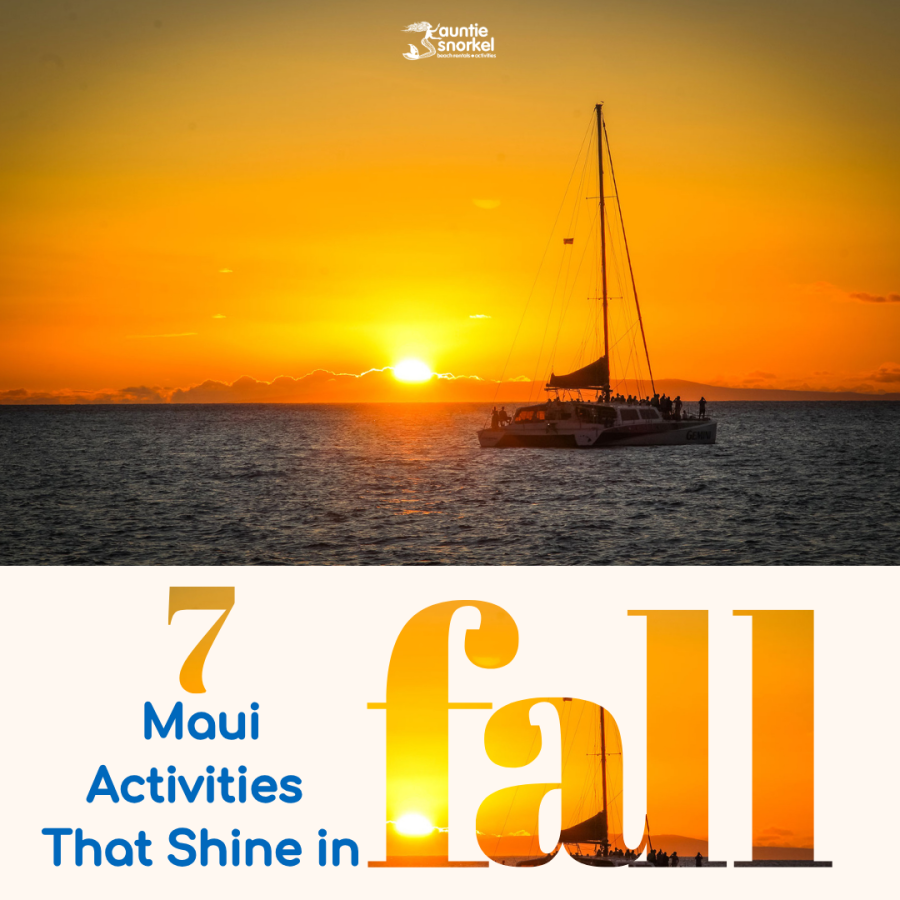

7 Maui Activities that Shine in Fall
Fewer visitors, dramatic scenery, and some of the island’s best experiences at their most accessible. Here is what fall in Maui actually looks like.
<p>There is a version of Maui that most visitors never see. Not because it is hidden or hard to reach, but because it mostly exists in September and October, when the summer crowds have gone home, the island exhales, and the experiences that are genuinely extraordinary become even better.
Fall is Maui’s shoulder season, and it is one of the travel world’s better-kept secrets. Hotels soften their rates. Popular tours have more availability. The Road to Hana has breathing room. Helicopter tours fly over waterfalls that rain has just brought back to life. And the ocean, still warm from summer, settles into conditions that reward snorkelers and paddlers who show up early and stay patient.
This guide is for visitors who are thinking about a fall trip and want to know what to actually do when they get here — and for guests already planning ahead for the winter holidays who want to make the most of a Maui visit outside the peak
crowds.
Quick Summary: Fall in Maui — Activities That Shine When the Crowds Clear
Here is what fall in Maui looks like from the water, the air, and the road:
- Molokini snorkel tours run year-round with smaller crowds and somewhat more booking flexibility in fall — still worth reserving in advance.
- Helicopter tours are at their most spectacular in fall, when post-storm waterfalls are running and the island’s terrain glows with saturated green.
- Sunset dinner cruises offer the same extraordinary experience with smaller boat crowds and more availability on your preferred date.
- The Road to Hana is genuinely better in fall — less traffic, easier parking at the best stops, and lush, rain-enriched scenery at every turn.
- Zipline tours run through some of Maui’s most dramatic fall terrain, with cooler temperatures making the experience more comfortable.
- Upcountry Maui and Haleakala are worth a full day in fall, when cloud inversions create dramatic views and harvest season brings the island’s farms and markets to life.
- Early bird whale season planning belongs on your fall agenda — the best winter whale watching dates fill from summer onward, and fall is your last clean window to lock them in.
- Our Fun Specialists in Kihei and Lahaina are available in shop every day to help you build the perfect fall itinerary.</p>
Why Fall Is Different in Maui


Seasonal Changes
Fall in Maui is not a lesser version of summer. It is a different version, and for a lot of experiences, it is genuinely the better one.
After Labor Day, visitor numbers drop noticeably. The beaches that were humming with families in July become spacious and unhurried. Restaurants that were turning people away in August have tables available. And the island’s natural rhythms reassert themselves in ways that peak season activity can obscure.
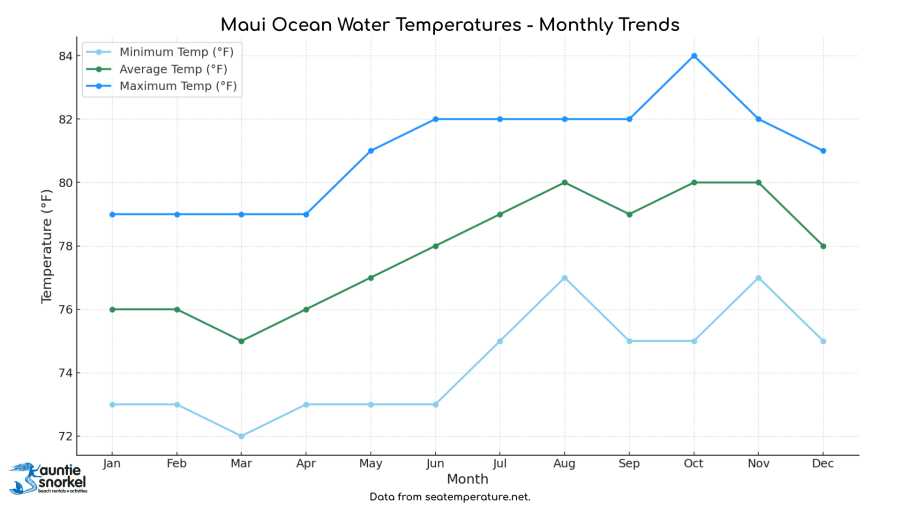
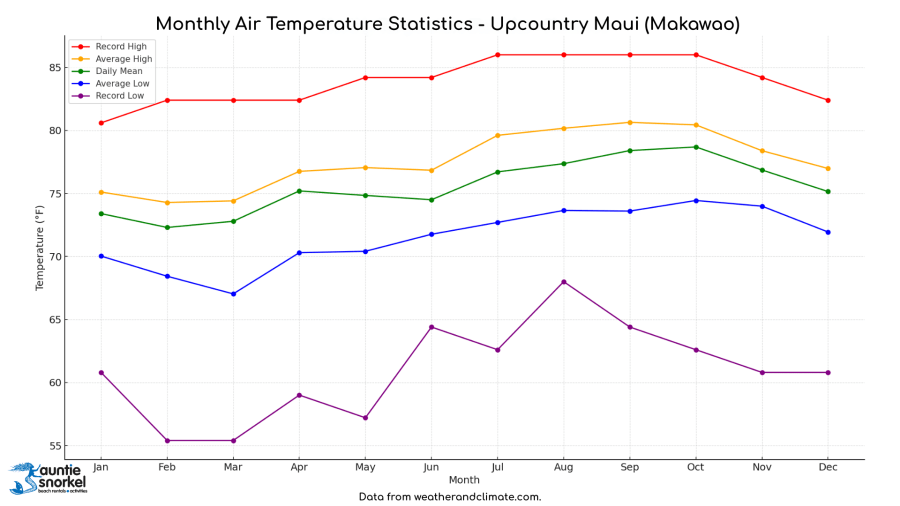
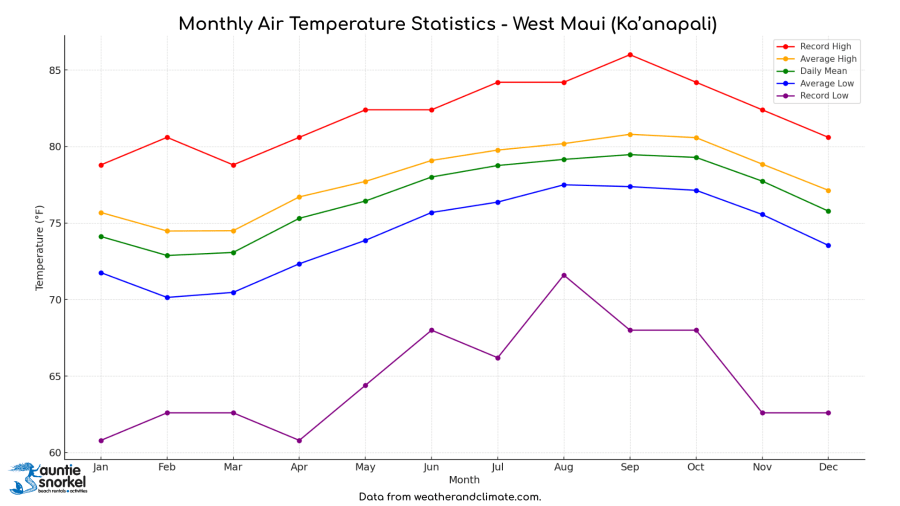
The weather in fall runs warm and mostly sunny, particularly along the leeward west and south shores where most visitors spend their time. Ocean temperatures are actually at their peak in September and October, carrying the warmth accumulated through summer. Trade winds are present but often gentler than the strong afternoon trades of summer, which makes for more comfortable conditions across a wider range of outdoor activities.
Hurricane Season
The other factor worth mentioning honestly is hurricane season. The Central Pacific hurricane season runs through November, and 2026 has been an above-normal year. Direct impacts on Maui are historically rare — the islands are small targets in a vast ocean, and mountain terrain helps disrupt approaching storm systems. The practical reality for most fall visitors is that their trip unfolds without any storm-related disruption. Staying flexible, checking conditions, and having travel insurance for a fall trip is simply smart planning regardless of the season.
What hurricane season does create, counterintuitively, is some of fall’s most spectacular scenery. When a storm system passes near the islands and then clears, Maui’s landscape responds dramatically. Waterfalls that were dry all summer run full and thundering down the north shore cliffs. The West Maui Mountains deepen to an almost unreal green. The air smells clean and invigorating. Helicopter tour pilots will tell you that the days after a storm passes are among the most beautiful flying days of the entire year.</p>
🛥️ Molokini: Still Extraordinary, Now More Accessible
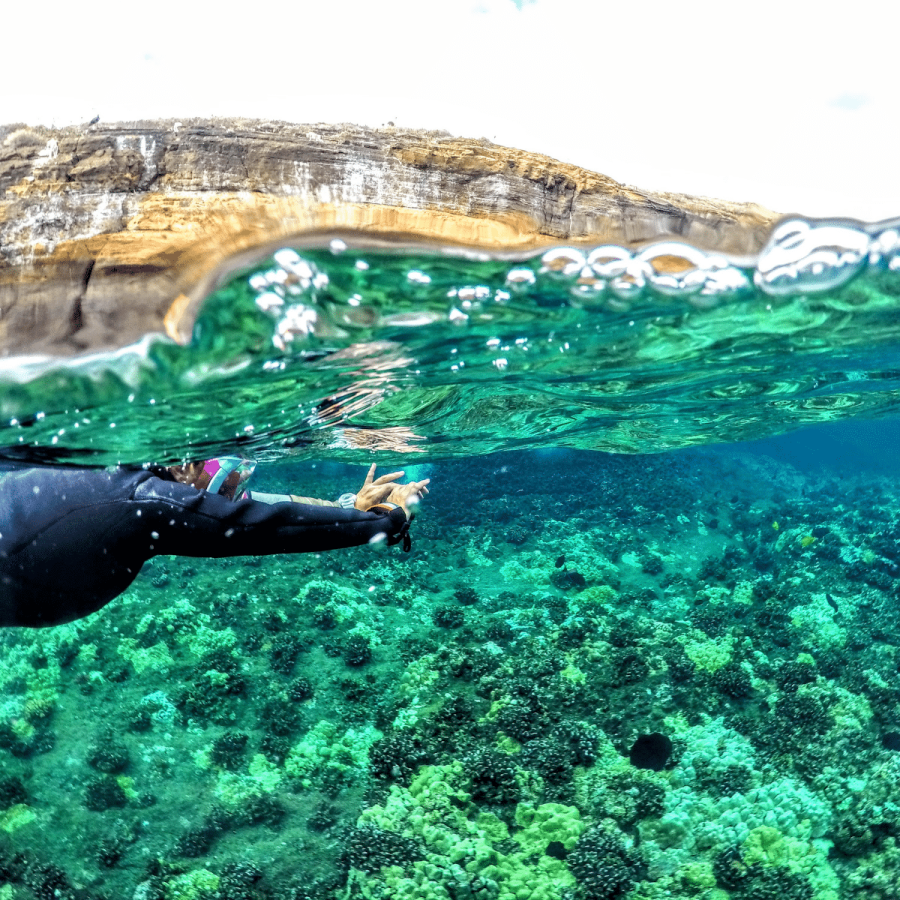


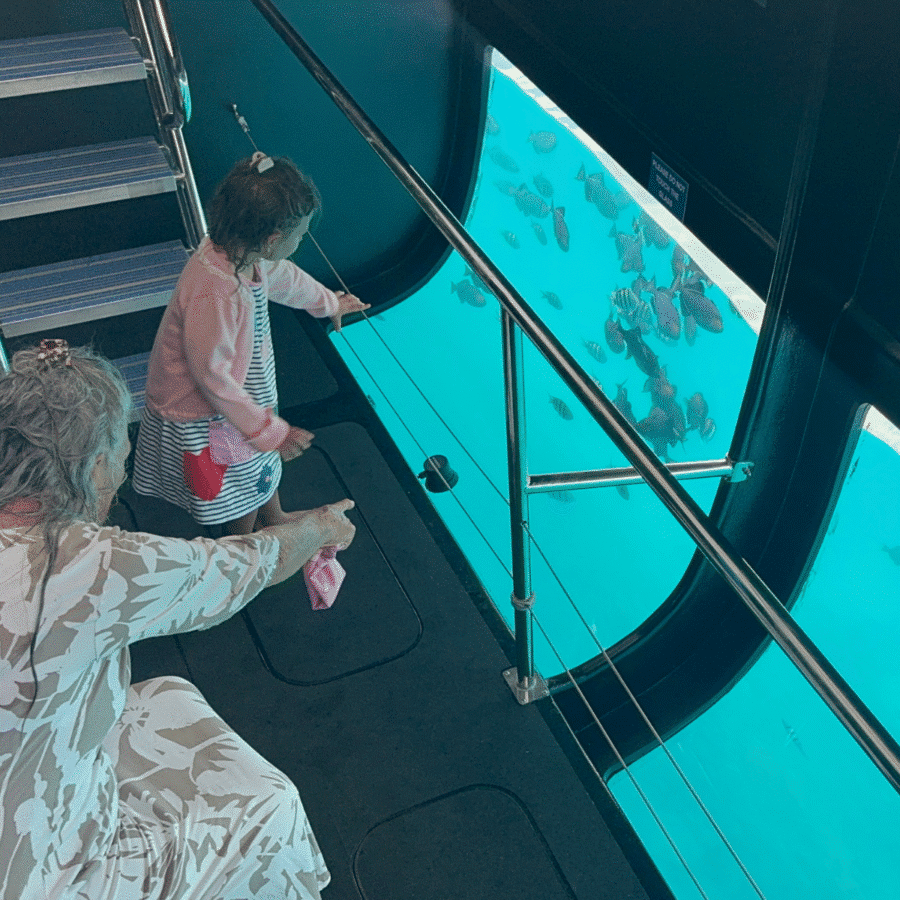

Molokini Crater runs year-round, and fall changes the experience in one meaningful way: availability opens up. Summer peak dates, particularly morning departures in July, book out weeks in advance. Fall morning tours with operators like Calypso and Pacific Whale Foundation tend to have more flexibility, which means fall visitors can often secure preferred dates closer to arrival without the early-planning pressure of summer.
The snorkeling itself is just as extraordinary. Visibility inside the crater regularly exceeds 100 feet year-round. The marine life is spectacular in every season. And offshore conditions at Molokini are largely insulated from the seasonal swell shifts that affect nearshore beaches, which means the quality of a fall Molokini tour matches its summer equivalent in nearly every respect.
For guests who want a more adventurous version of the Molokini experience, fall is also a wonderful time to try Blue Water Rafting’s Molokini and Kanaio Coast tour. The rigid inflatable raft format is more exhilarating than a large catamaran, and the dramatic southern coastline the tour covers feels especially wild and unspoiled in the quieter fall season.
💡 Pro tip: Even with more fall availability, booking your Molokini tour early in your trip rather than late gives you room to reschedule if a weather system passes through. A morning Molokini tour is always worth protecting with a buffer day.
For more, check out our guides to Snorkeling Molokini: 10 Things Every Visitor Should Know and Beginner to Brave: 6 Maui Snorkel Tours for Every Level
🚁 Helicopter Tours: Fall Is the Best Flying Season
Why Post-Storm Maui Looks Different From the Air
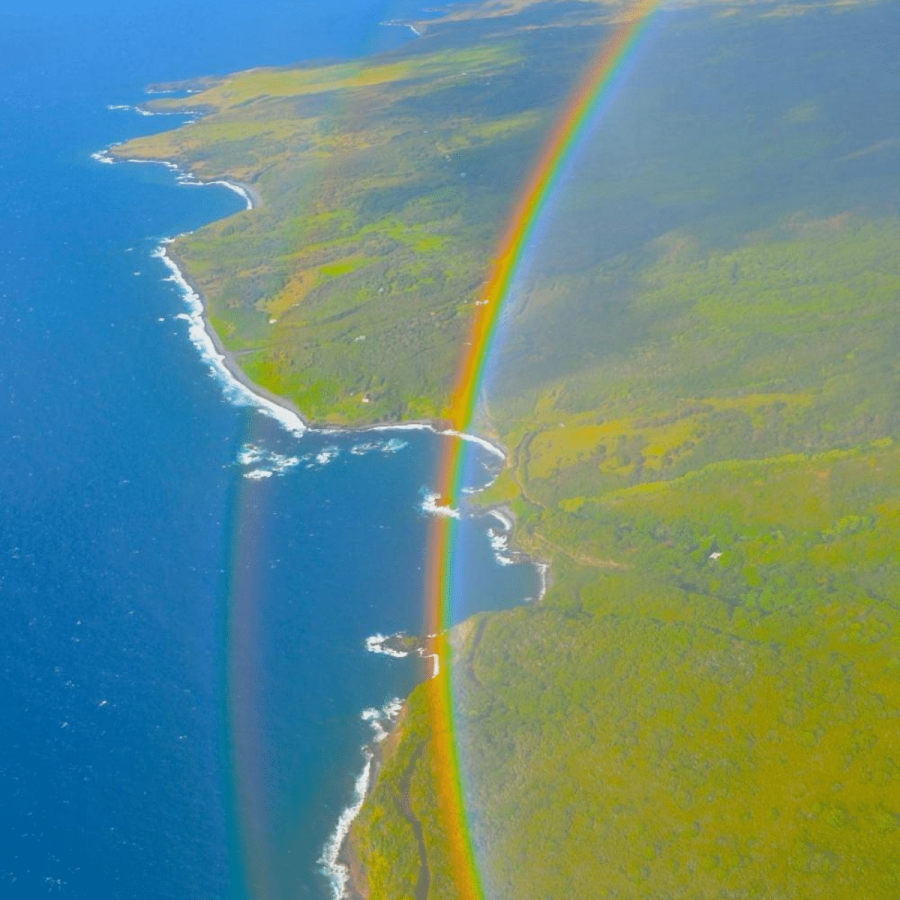
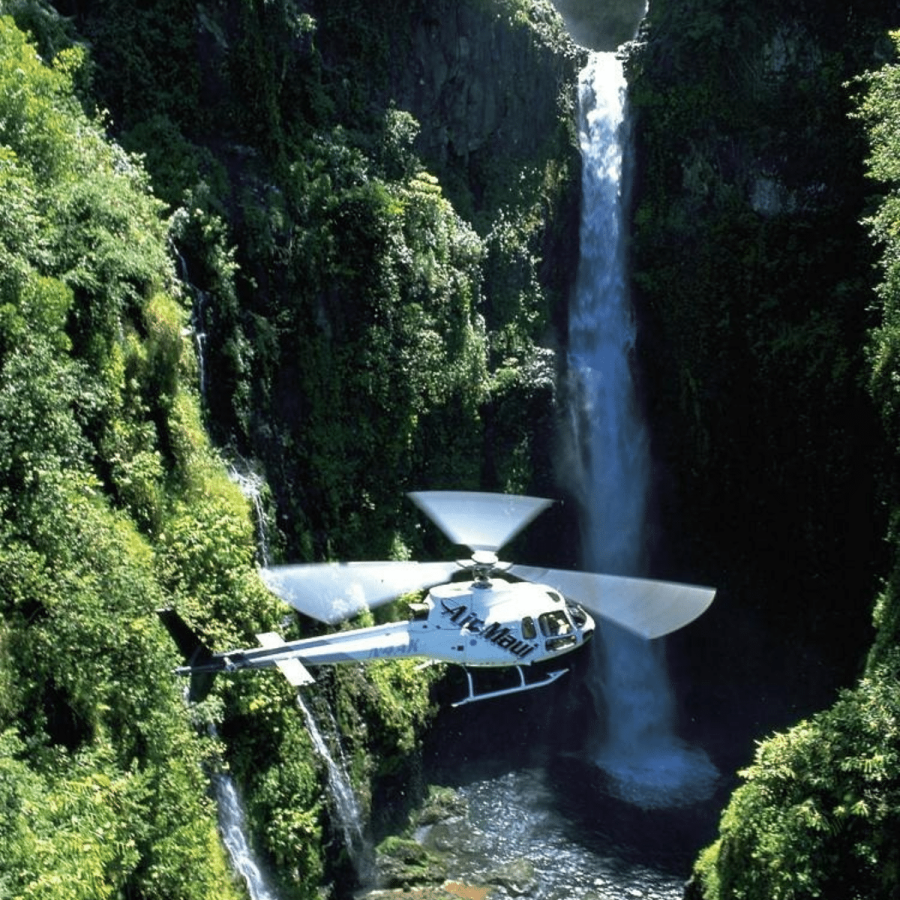
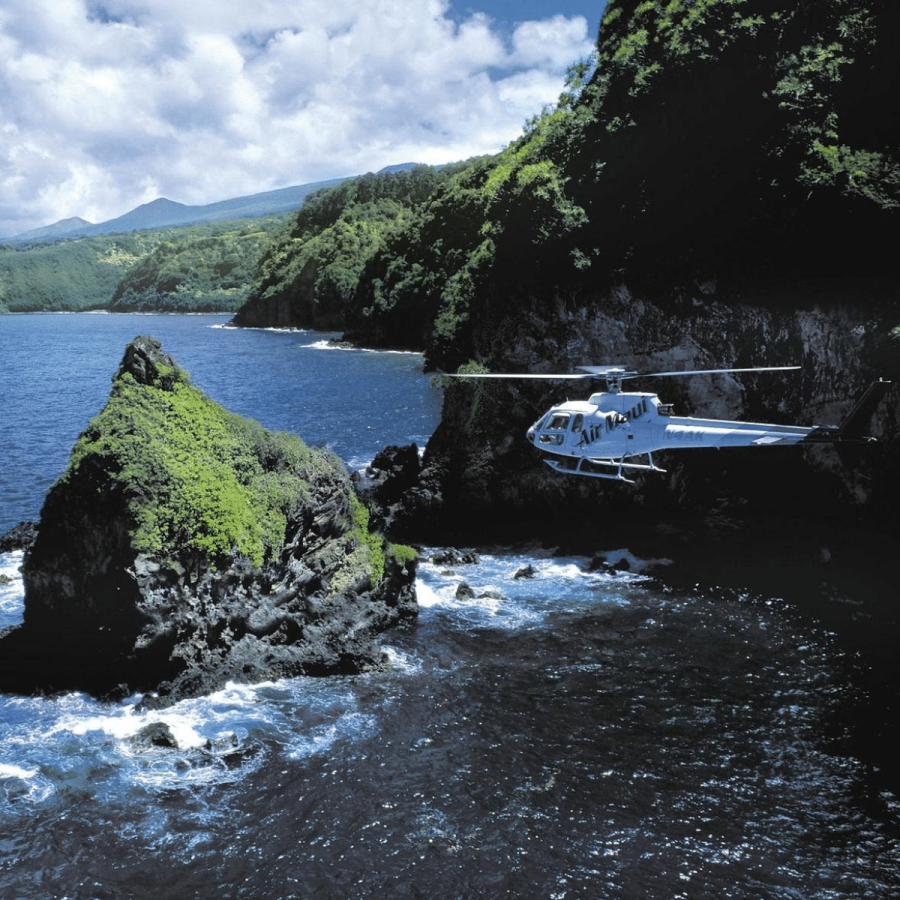
If there is one activity category that genuinely peaks in fall, it is helicopter tours. Post-storm conditions in Maui produce something that photographers and experienced visitors seek out specifically: waterfalls. Maui’s north shore cliffs and the deep valleys of the West Maui Mountains are laced with waterfalls that only run when recent rainfall activates them. In summer, many of these fall lines are dry or reduced to trickles. After a fall storm system clears, they roar back to life with a drama that makes even veteran helicopter pilots comment on it.
When skies begin clearing after a weather system passes, the island looks alive from above in a way that clear-weather days sometimes cannot match. Dramatic clouds cling to ridgelines. Valleys saturate in deep green. Light breaks through in beams. It is the Maui that most visitors see on postcards but rarely experience firsthand, and a helicopter is the only way to access it properly.
Air Maui helicopter tours offer a range of routes and durations, including the doors-off option for photographers who want nothing between them and the view. Fall is an especially good time to call our Fun Specialists for last-minute bookings when conditions look promising after a storm clears — those flights have a way of becoming the most memorable experience of an entire trip.
For more on why post-storm conditions create such extraordinary scenery, check out our guide How To Make Maui Rainy Days Magical.
🌅 Sunset Dinner Cruises: The Same Magic, More Room to Breathe
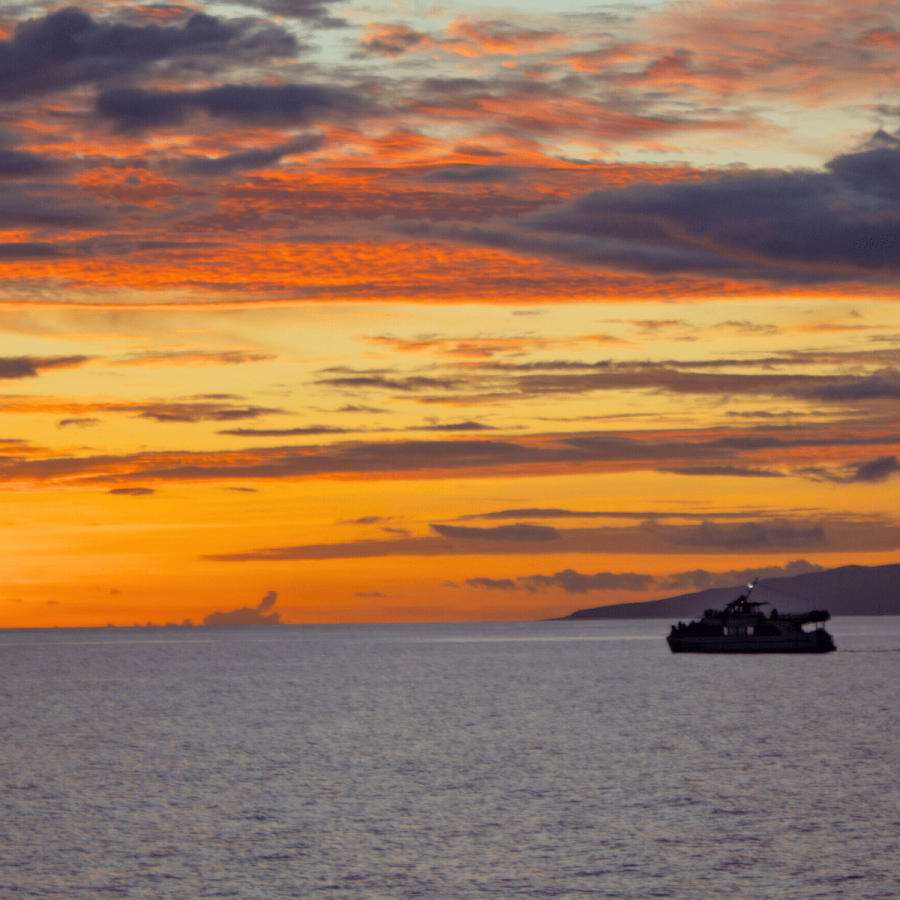
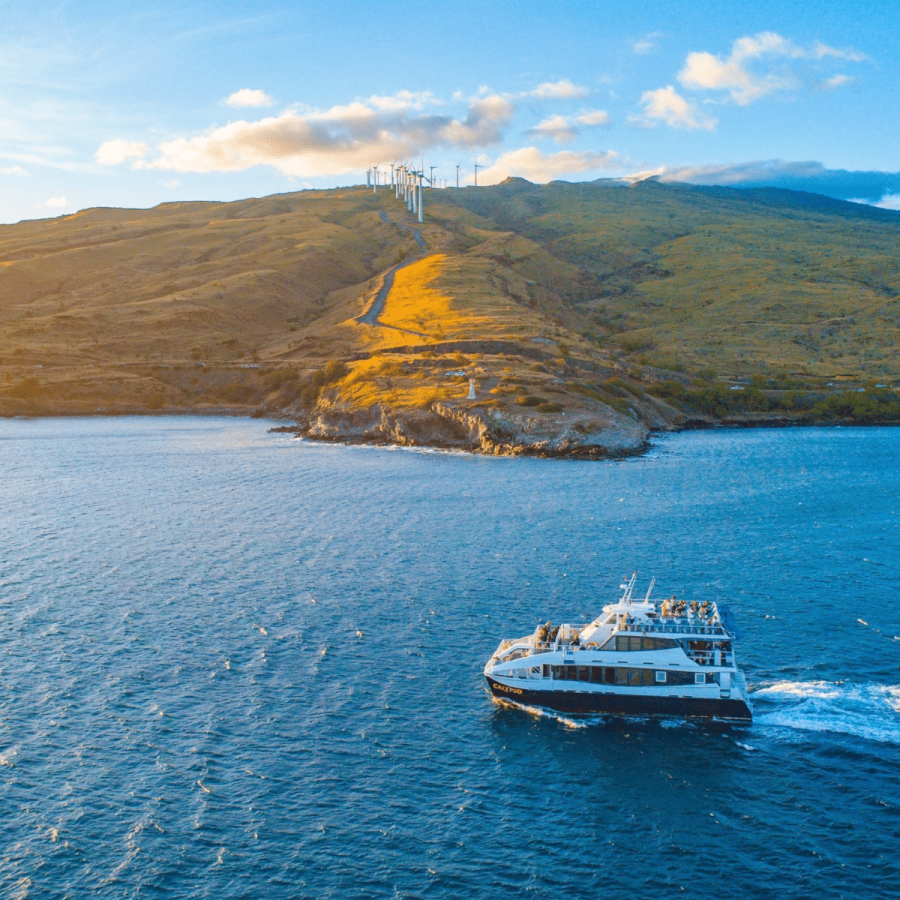
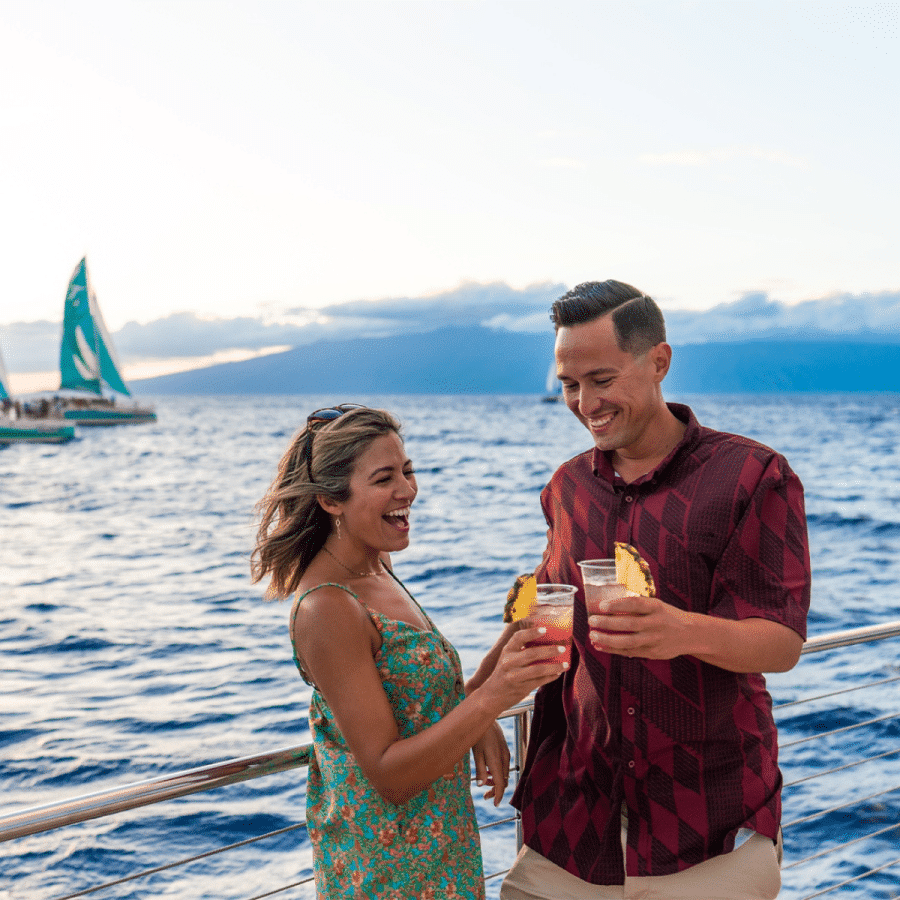


Maui’s sunsets do not slow down in fall. If anything, fall’s lower sun angle and more dynamic cloud formations produce some of the most dramatic golden hours of the entire year. Storm systems that have recently cleared leave behind layered skies that turn extraordinary shades of orange and pink as the sun drops toward the horizon.
Sunset dinner cruises in fall offer the same beautiful experience as their summer equivalents, with one meaningful difference: the boats are less crowded. Peak summer evenings, particularly weekends in July and August, fill the most popular vessels and the best departure times early. Fall evenings tend to have more breathing room, which creates a more intimate experience on the water and more flexibility in choosing your preferred date.
Teralani’s Holo Holo Sunset Cruise is a consistent fall favorite for couples and groups who want a sailing-forward experience with the Ka’anapali coastline as a backdrop. For guests who want a full dinner experience with live entertainment on the water, our broader selection of sunset dinner cruise options covers both sides of the island. For couples celebrating something special — an anniversary, a birthday, a honeymoon — fall’s combination of availability and dramatic sky conditions makes a sunset cruise an especially good call.
🌿 The Road to Hana: Fall Is When It Becomes What It Is Supposed to Be

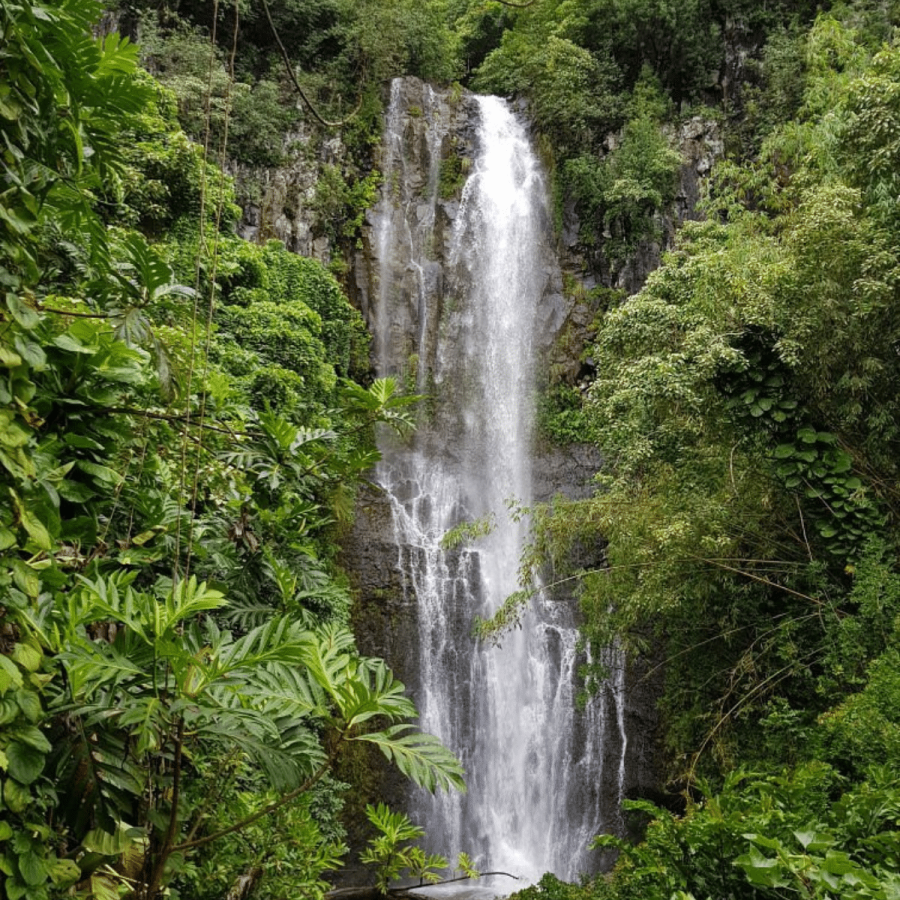
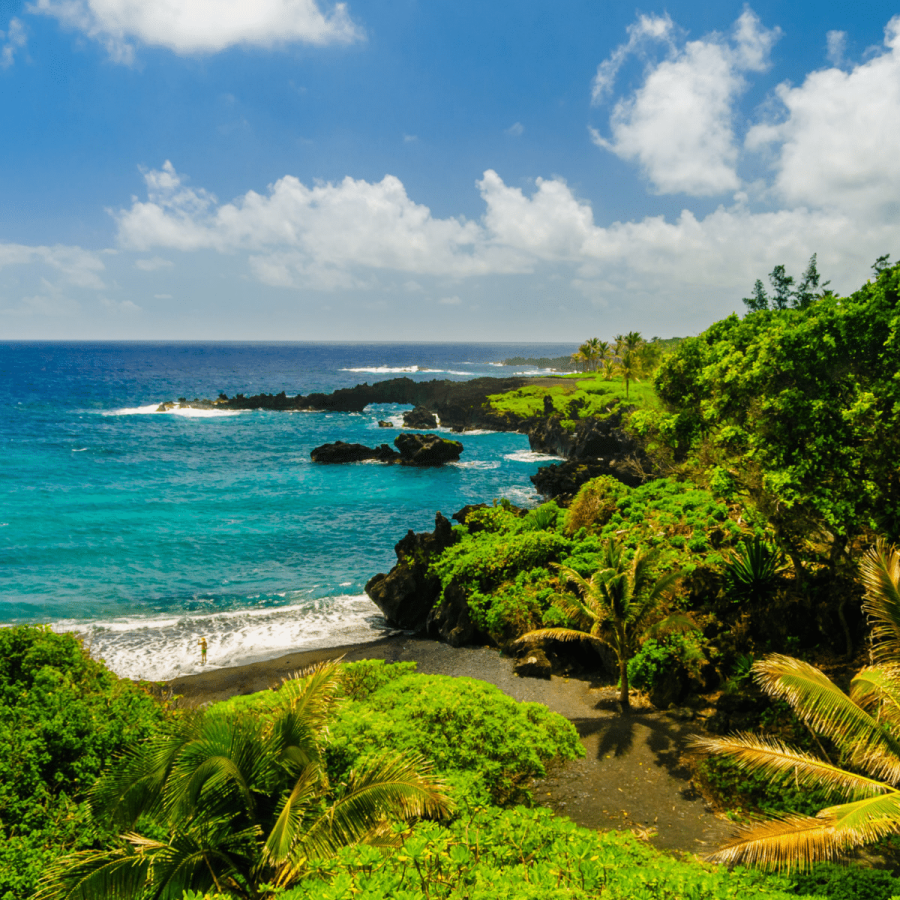
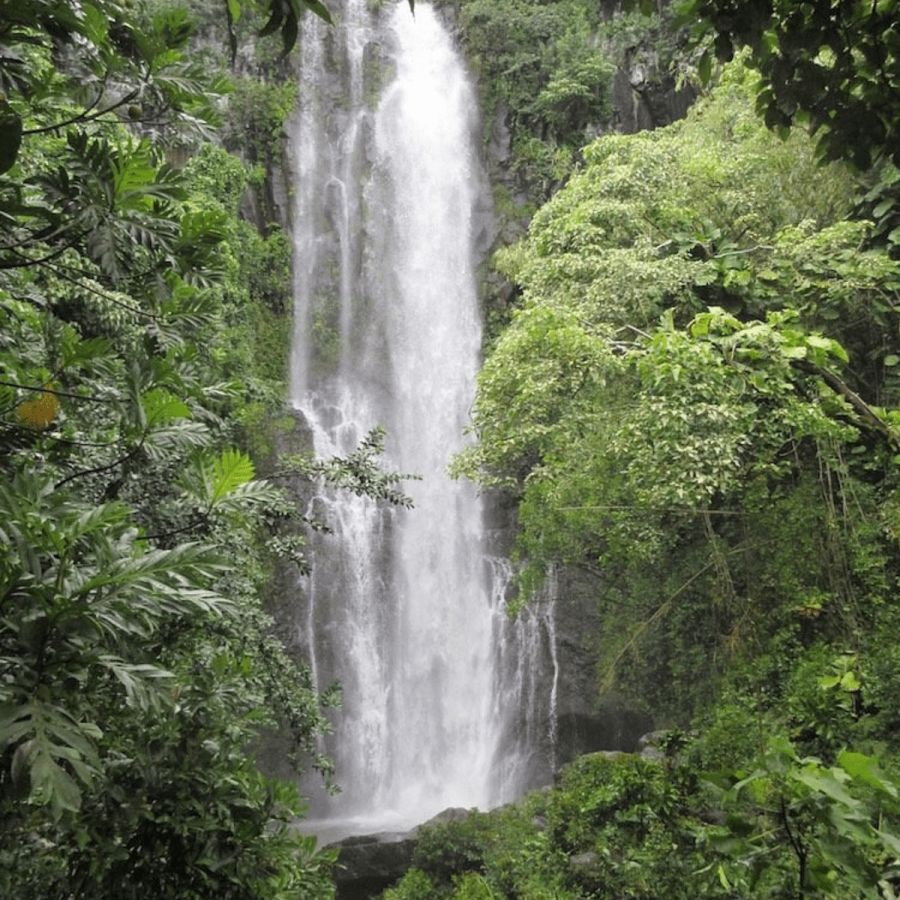

Ask anyone who has driven the Road to Hana in July and then again in September, and they will tell you they feel like different roads. They are not, of course. The 620 curves and 59 bridges are the same. But what surrounds them changes considerably.
In fall, the traffic thins. Parking at the most spectacular stops — the bamboo forest, the waterfalls, the black sand beach — becomes manageable rather than maddening. The waterfalls that run seasonal or intermittent in summer are often flowing beautifully after fall rain. And the vegetation along the road, fed by recent moisture, reaches a depth of green that makes the whole drive feel like something from another world.
A guided Road to Hana tour in fall is an especially good choice. With less traffic to navigate and more space at the key stops, guides can linger at the places that deserve time. You get to actually absorb the scenery rather than managing the logistics of it, and the stories and history that good guides bring to the journey make the whole experience richer than a self-guided drive allows.
If you have done the Road to Hana before and found it beautiful but exhausting, a fall guided tour is worth reconsidering. It tends to feel like a completely different experience.
🤸 Ziplines: Cooler Temperatures, Dramatic Terrain
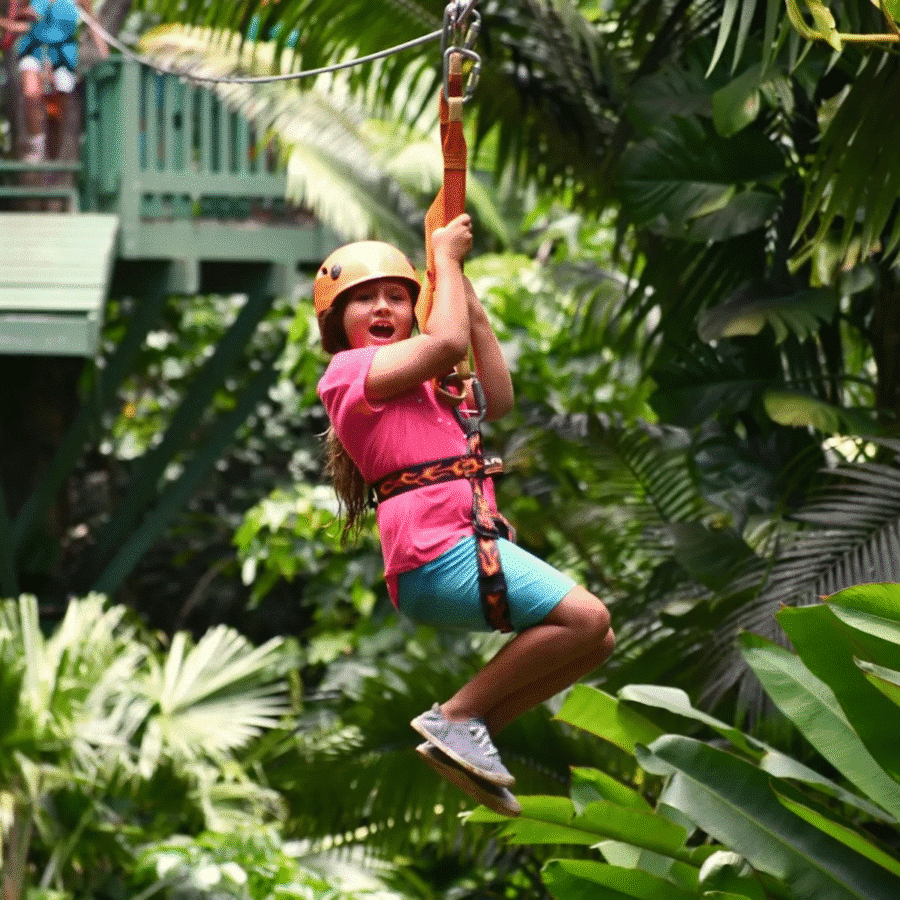
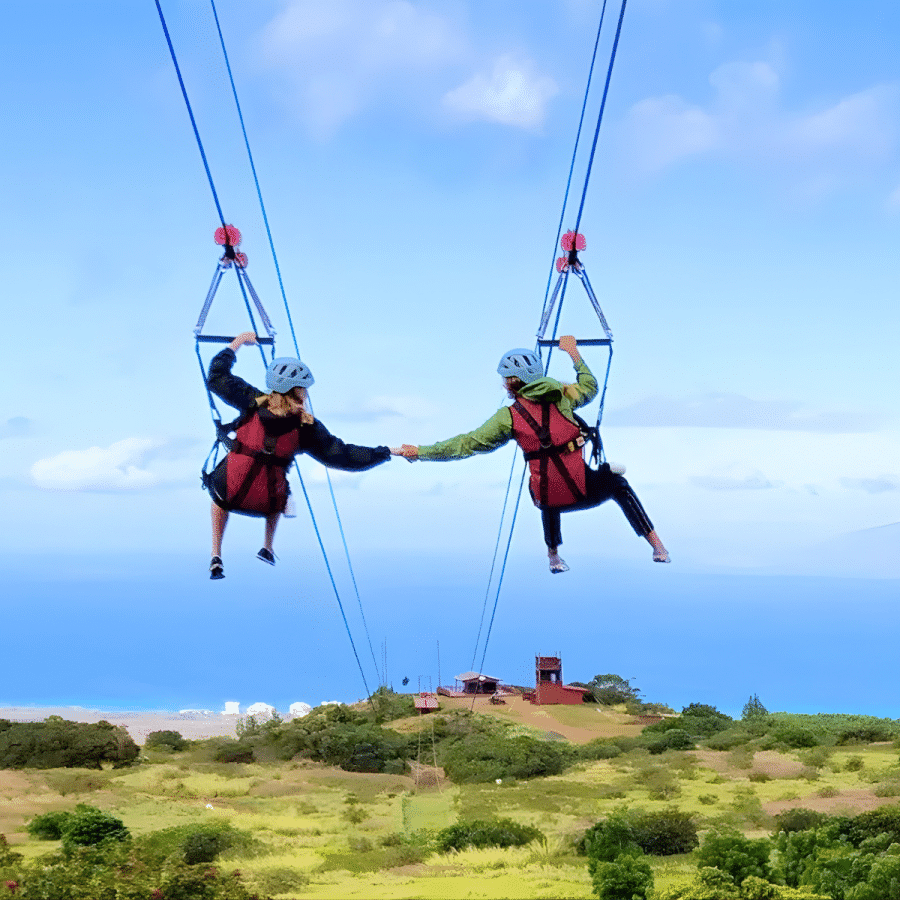

Maui’s zipline courses run through some of the most visually dramatic terrain on the island, and fall conditions make them more comfortable than their summer equivalents. Cooler temperatures and lower humidity in the upcountry and west side valleys mean that the physical exertion of a multi-line course feels easier, and the mist that sometimes clings to the mountains after recent rain adds a genuinely otherworldly quality to the scenery as you zip through it.
Kapalua Ziplines runs a multi-line course through the lush terrain of the West Maui Mountains, with dual racing lines that let guests go side by side on certain runs. The guides are skilled at building confidence before the bigger lines, and the views that open up across the channel as you move through the treetops are extraordinary in every season but especially vivid in fall’s saturated green landscape.
For families with older kids and teens, groups of friends looking for something active and different, and couples who want a thrilling land-based experience between beach days, a fall zipline tour delivers something that is hard to find anywhere else on earth.
🏔️ Upcountry and Haleakala: Fall Brings Something Special
Not every extraordinary Maui experience involves the ocean, and fall is a particularly good season to spend a day in upcountry Maui and at the summit of Haleakala.
Upcountry Maui, the agricultural and ranching region that rises from the island’s center, has a harvest-season energy in fall that is different from the beach-focused summer calendar. Farm stands are stocked with late-season produce. The lavender farm at Ali’i Kula is in a beautiful state. Makawao, the upcountry’s charming main town, is easier to walk and browse when visitor traffic has thinned. And the cooler temperatures at elevation offer a genuine contrast to the warm coastal days that make spending a few hours up here feel like visiting a different island entirely.
Haleakala National Park


Haleakala summit at 10,023 feet is one of the most awe-inspiring places in Hawaii, and fall is a wonderful time to visit. The sunrise experience at the summit is legendary and worth the early alarm clock, but a midday or afternoon visit in fall, when clouds sometimes rise dramatically below the rim and the volcanic landscape stretches in all directions, is equally powerful. The silversword plant, which grows almost nowhere else on earth, lines the guided Pa Kaoao Trail at the summit alongside sightings of Hawaii’s state bird, the Nene goose. This is a landscape that permanently changes how you think about the island.
For guests who want to experience both Haleakala and the Road to Hana in a single extraordinary day, the Aloha Eco Adventures Road to Hana Halfway and Haleakala National Park Tour is one of the most compelling options on the island. The tour ascends to the Haleakala summit first, then descends into the lush tropical world of the Road to Hana.
Fall conditions make this tour especially rewarding. With less traffic on the Hana Highway than in summer, guides can spend more time at the best stops. And if recent rain has activated the waterfalls along the route, the contrast between the volcanic summit and the lush, waterfall-laced rainforest below is nothing short of extraordinary.
💡 Pro tip: Bring warm layers for the Haleakala summit — temperatures at 10,023 feet can reach 20 to 30 degrees Fahrenheit regardless of how warm it feels at the beach. And bring a swimsuit and towel if you want to take advantage of the waterfall swimming stop on the Hana Highway. A
The Bottom Line
Fall in Maui rewards the visitor who is willing to look a little beyond the obvious summer playbook. The water is warm, the crowds are thinner, the scenery is often more dramatic than anything summer delivers, and the experiences that are already extraordinary in peak season become more personal and more accessible.
Whether you are planning a fall trip right now or using September to get ahead of the winter holiday rush, our Fun Specialists are here to help you put it together. Stop by our Kihei or Lahaina shops, browse our full activity lineup at auntiesnorkel.com, or text or call us at 808-298-3021, daily.
Mahalo and we will see you here this fall. 🤙

Frequently Asked Questions: Fall in Maui — Activities That Shine When the Crowds Clear
Is fall a good time to visit Maui?
Fall is one of Maui’s most underrated seasons. Ocean temperatures are at their warmest of the year, visitor numbers are noticeably lower than summer, tour availability is more flexible, and the island’s scenery — particularly after seasonal rain — is often more dramatic than anything peak season delivers. Accommodation rates also tend to be meaningfully lower than summer or holiday periods. The main consideration is hurricane season, which runs through November. Direct impacts on Maui are historically rare, and the overwhelming majority of fall trips unfold without storm-related disruption. Travel insurance is a smart precaution for any fall trip.
What activities are best in fall in Maui?
Helicopter tours are genuinely at their best in fall, when post-storm waterfalls are running and the island’s terrain is most saturated. The Road to Hana is less crowded and more lush. Sunset dinner cruises offer the same spectacular experience with more availability. Molokini snorkel tours run year-round and tend to have more booking flexibility in fall. Ziplines are more comfortable in cooler fall temperatures. And for guests planning ahead, fall is the right time to lock in whale season and holiday bookings before they fill.
Should I be worried about hurricanes when visiting Maui in fall?
The honest answer is that the risk deserves acknowledgment but not alarm. Direct hurricane impacts on Maui are historically rare. The more realistic risk for fall visitors is brief periods of heavy rain or elevated surf following a storm system passing near the islands. Staying flexible, checking our live Maui Webcams and Weather and Waves pages daily, and having travel insurance is all the preparation most visitors need. Our Fun Specialists monitor conditions daily and can help you pivot plans quickly if the weather shifts — call or text us at 808-298-3021, daily.
When should I book whale watching for the coming season?
Now, if you know your dates. Fall is the ideal window to lock in December, January, and February whale watching departures before the holiday booking rush. Peak mid-February dates at the most popular operators fill months in advance. The same applies to holiday week luaus, helicopter tours, and sunset cruises. Browse our full whale watching selection at auntiesnorkel.com or stop by either shop for a personal recommendation.
Is the Road to Hana worth doing in fall?
Absolutely, and fall is arguably the best time to do it. Traffic is significantly lower than in summer, the waterfalls along the route are often running beautifully after seasonal rain, and the vegetation is at its most lush. A guided tour in fall is particularly enjoyable — with less traffic to navigate, guides can spend more time at the best stops and bring the history and stories of the places you pass through to life in a way that a self-guided drive makes difficult. For guests who want to combine the Road to Hana with a Haleakala summit visit in a single day, the Aloha Eco Adventures Road to Hana Halfway and Haleakala National Park Tour covers both destinations in one 9.5-hour day and is especially rewarding in fall conditions.
Do sunset cruises still run in fall?
Yes, and fall sunsets are frequently spectacular. Lower sun angles and more dynamic cloud formations from seasonal weather systems can produce some of the most dramatic golden hours of the entire year. Fall boats also tend to be less crowded than peak summer departures, which creates a more intimate experience. Browse our full selection of sunset dinner cruises at auntiesnorkel.com.
Are ziplines open in fall in Maui?
Yes, and fall is actually a particularly good season for them. Cooler temperatures and lower humidity make the physical exertion of a multi-line course more comfortable, and the post-rain greenery of the West Maui Mountains valleys creates scenery that is genuinely extraordinary. Browse our full zipline tour selection at auntiesnorkel.com, or call or text us for help choosing the right course for your group.
Subscribe to Auntie Snorkel’s Free Newsletter